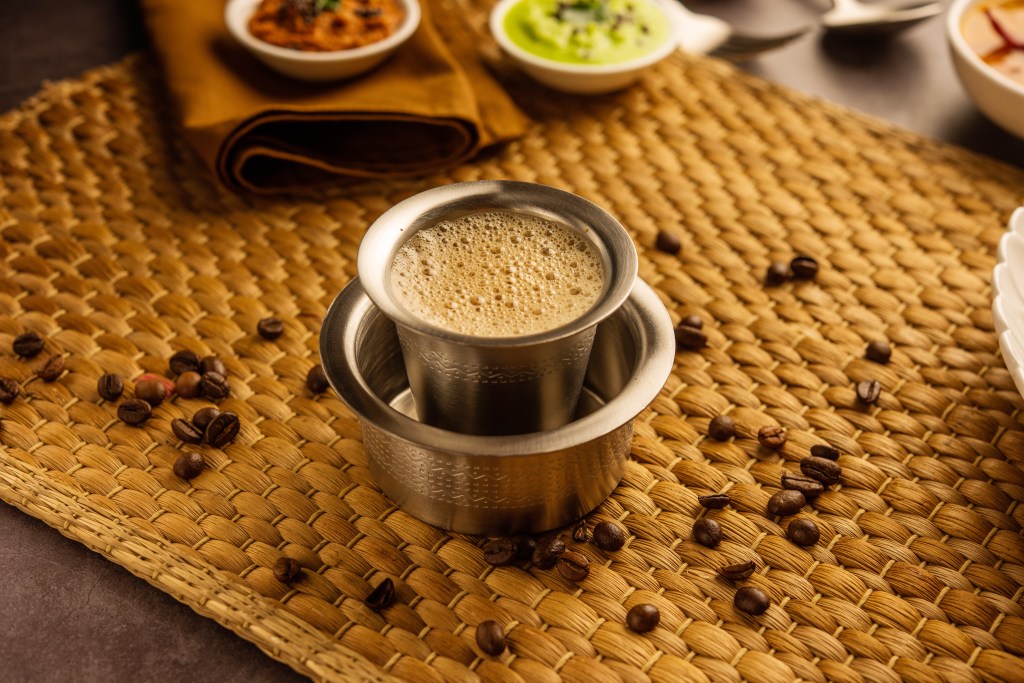
Walk into a bustling café in Bengaluru, and you’ll notice something remarkable: the energy is vibrant, the air thick with the aroma of fresh coffee, and the seating is a lively mix of students, professionals, friends, and families. At a corner table, someone quietly stirs a cup of filter coffee, the steel tumbler warm in their hands, a ritual unchanged for decades. It’s easy to imagine this is a scene from Paris or New York, but the heartbeat is distinctly Indian.
Coffee cafés in India have not simply copied Western blueprints. Instead, they have evolved in conversation with the country’s own traditions, borrowing from old South Indian filter kaapi houses, tea shop social rituals, and even temple courtyards, where sharing a drink means more than just caffeine. This evolution offers powerful lessons for café founders, hospitality brands, and product innovators everywhere.
A Short History: From South Indian Coffee Houses to Urban Cafés
Coffee arrived in India in the 17th century, with the earliest plants taking root in the hills of Karnataka and Tamil Nadu. By the late 19th and early 20th centuries, “coffee houses” in southern cities like Chennai, Bengaluru, and Mysuru became gathering spaces for writers, thinkers, activists, and artists.
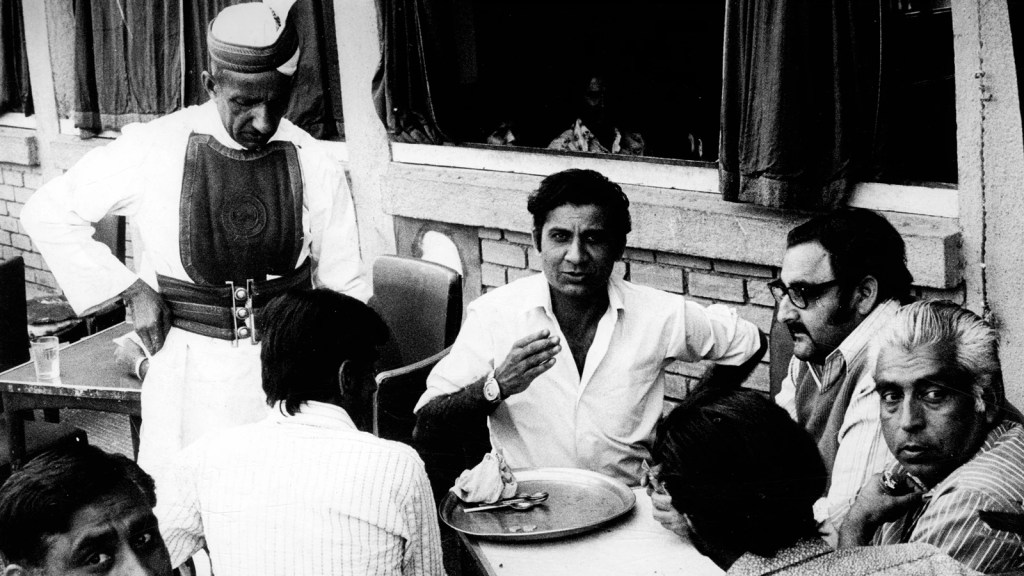
But these weren’t the exclusive, high-end establishments of Europe. South Indian coffee houses were open, accessible, and democratic. The focus was always on community, not just on the beverage, but on conversation, debate, and shared experience. Filter coffee, served in steel tumblers with milk and sugar, was both a comfort and a social equaliser.
Over the decades, this idea evolved. The Indian Coffee House cooperative model empowered workers, preserved traditions, and created a third space between home and work for all walks of life. These were the “original” Indian cafés, the blueprint for inclusivity and resilience in the face of change.
What Makes the Indian Café Experience Distinct?
1. The Ritual of Filter Coffee
Unlike espresso or drip coffee, South Indian filter coffee is slow-brewed in brass or steel filters, served in a dabara-tumbler set, and enjoyed in small, steady sips. This isn’t just about taste. It’s about ritual, memory, and the gentle pace of life.
2. Community Tables and Open Conversation
Traditional Indian cafés are designed for sharing — not just food, but stories. Long tables, shared benches, and open layouts invite interaction. The “adda” culture of Kolkata and the sprawling canteens of Mumbai reinforce the idea that cafés are places where strangers become friends.
3. Intergenerational Spaces
It’s common to see three generations at a café table in India, from grandparents to grandchildren. These spaces are designed to welcome everyone, not just the young or fashionable.
4. Sensory Hospitality
From the clink of tumblers to the gentle hum of ceiling fans and the aroma of freshly ground coffee beans, the Indian café experience appeals to all the senses. Music is often low, letting conversation take centre stage.
The Modern Café: Innovation Rooted in Tradition
Today, India’s café culture is thriving, but its most successful brands draw directly from these roots.
- Global Chains, Local Soul: Even global players like Starbucks and Costa Coffee have introduced “Indian Espresso” and spiced blends to appeal to local tastes. Menus frequently feature both international and Indian brews, celebrating diversity.
- Homegrown Innovators: Brands such as Third Wave Coffee Roasters, Blue Tokai, and Hatti Kaapi have built identities around transparency, single-origin beans, and respect for regional flavours, while maintaining the openness and community focus of classic coffee houses.
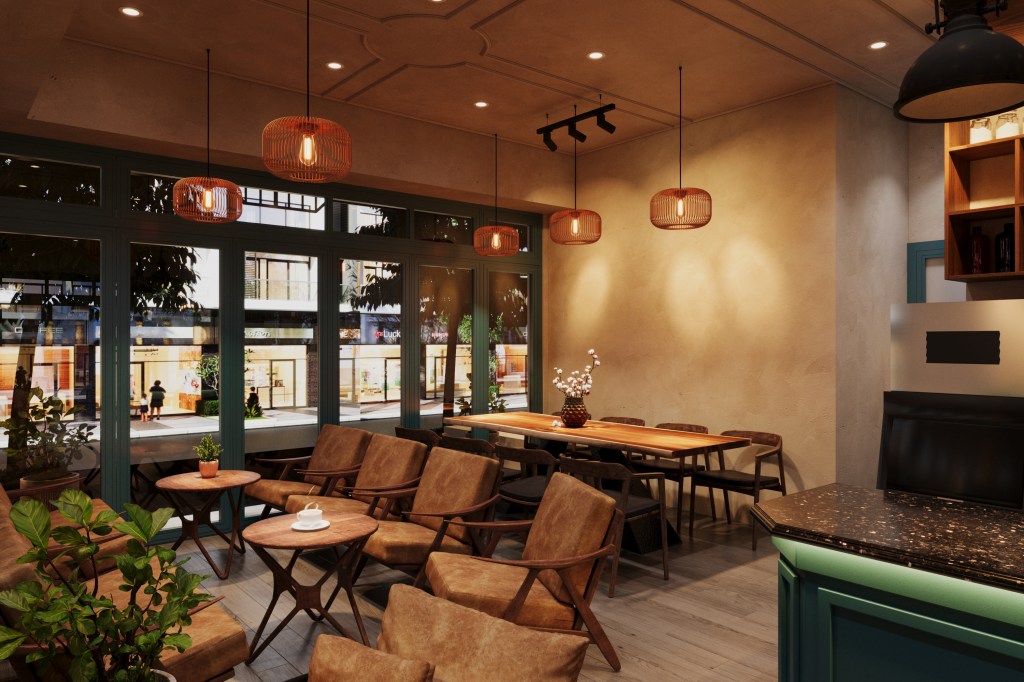
- Café Design: Modern Indian cafés are rethinking layout with inspiration from traditional spaces: communal tables, soft lighting, vibrant art, and spaces for poetry readings or music. Even the filter coffee ritual, once found only in homes or roadside stalls, is now a centrepiece at premium cafés.
Why Does This Evolution Matter?
For Indian manufacturers, café owners, and hospitality entrepreneurs, this story is more than nostalgia — it’s strategy.
- Consumer Trust: Local traditions build deep, generational trust. Customers are drawn to brands that honour heritage while delivering innovation.
- Resilience: Community-oriented spaces weather crises better. During the pandemic, Indian cafés with strong neighbourhood ties bounced back faster.
- Differentiation: In a world where café concepts can feel generic, those inspired by Indian rituals stand out — attracting international curiosity as well as domestic loyalty.
What’s Next for India’s Coffee Culture?
As the Indian café scene matures, expect to see more:
- Hybrid menus: Blending classic South Indian brews with global specialty coffees.
- Design inspired by heritage: Spaces that feel both modern and rooted — terrazzo floors, brass fixtures, open kitchens, and local art.
- Events and programming: Book clubs, music nights, storytelling sessions, and workshops that echo the “adda” culture and keep customers coming back for more.
For entrepreneurs, the lesson is clear: the most future-proof cafés are those that feel timeless, not just trendy.
Closing Thought
If you want to build a café brand that lasts, don’t just chase the new. Look to the wisdom and rituals that have already made coffee a way of life in India. Start with community. Honour the sensory experience. Welcome every generation.
Every great cup tells a story — let yours start at the crossroads of tradition and change.
If this perspective helped you see coffee culture in a new light, I’d love to hear your story or your brand’s journey. For innovative café solutions and product ideas inspired by India’s rich legacy, visit www.theteaplanet.com.



 Tea Travel Tales
Leave a reply to Madhuri Ganadinni Cancel reply