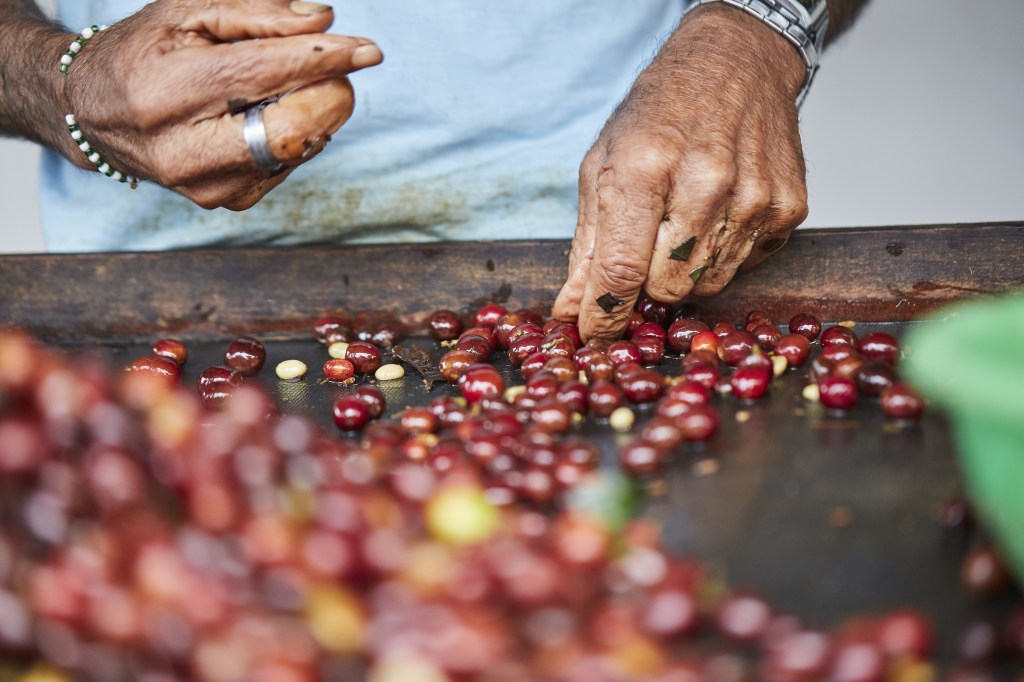
Imagine walking through a coffee estate in Coorg and realising the plants in front of you are at the centre of a silent revolution. As climate change tightens its grip and pests become more destructive, Indian coffee manufacturers are being pushed to make crucial decisions about the future of their crops. The debate? Hybrid coffee versus genetically modified (GMO) coffee. Both approaches promise resilience and better yields, but their methods and implications differ dramatically. Understanding these differences is no longer optional — it’s business-critical.
What Are Hybrid Coffee Varieties?
Hybrid coffee varieties are developed through traditional plant breeding techniques, such as manual pollination between two genetically distinct coffee plants. This process aims to combine the best traits from both parents into a single, superior offspring known as a first-generation (F1) hybrid.
Key characteristics:
- Hybrid vigour leads to higher yields, improved cup quality, and greater resistance to disease and environmental stresses like drought and frost.
- Yields can increase by 22–50% compared to traditional varieties, with many hybrids retaining or even enhancing flavour profiles.
- F1 hybrids are typically clonally propagated to ensure uniformity, as seeds from these plants can produce unpredictable results in subsequent generations.
Examples:
Crosses between wild Ethiopian coffee and cultivated varieties such as Caturra or Bourbon have created some of the most promising F1 hybrids used globally.
What Is GMO Coffee?
GMO coffee is developed through biotechnology tools, such as Agrobacterium-mediated transformation or CRISPR gene editing. This approach involves inserting, deleting, or modifying specific genes within the coffee plant, sometimes introducing foreign DNA.
Key traits under development include:
- Resistance to major pests like coffee leaf miner and coffee leaf rust.
- Reduced or eliminated caffeine production, enabling naturally decaffeinated coffee.
- Improved drought and heat tolerance.
Current status:
While research trials for GMO coffee have shown promising results, no GMO coffee is currently commercially available anywhere in the world. Strict regulations, ethical concerns, and consumer resistance remain significant hurdles.
Hybrid vs. GMO Coffee: Key Differences
| Feature | Hybrid Coffee | GMO Coffee |
|---|---|---|
| Creation Method | Traditional cross-breeding | Direct genetic modification in laboratory |
| Genetic Material | Natural combination of existing genes | Insertion/editing of specific, sometimes foreign genes |
| Development Time | 10–20 years (breeding, testing) | Potentially much faster with gene editing |
| Commercial Status | Limited, growing presence | Not commercially available |
| Regulation | Treated as conventional plants | Subject to strict GMO regulations |
| Consumer Perception | Generally accepted as “natural” | Often controversial, requires education |
| Propagation | Clonal propagation (cuttings, tissue culture) | Clonal or seed-based (depending on modification) |
| Benefits | Higher yield, disease resistance, quality | Precise trait insertion, new possibilities |
Why Hybrid Coffee Matters for India
Hybrid coffee is a practical, science-backed solution for Indian growers facing challenges from climate change and disease. By integrating hybrid varieties, manufacturers can:
- Increase yields and profitability without facing regulatory obstacles associated with GMOs.
- Improve resilience to unpredictable weather and pest outbreaks.
- Align with organic and sustainable farming practices, supporting market acceptance domestically and in export markets.
However, the successful rollout of hybrids depends on investment in nursery infrastructure, propagation technology, and farmer training.
The Potential and Challenge of GMO Coffee
GMO coffee offers targeted solutions that go beyond what is possible through hybridisation. This includes traits like complete caffeine removal without chemicals, as well as robust pest and climate resistance. For Indian manufacturers, this could secure future competitiveness as environmental pressures grow.
But the path to commercialisation is steep:
- GMO coffee must clear complex regulatory requirements in India and abroad.
- Consumer resistance, especially in Europe and the US, remains high due to ethical and environmental concerns.
- Transparent communication and education are crucial to build public trust and market demand for GM coffee products.
Market Perspectives and Next Steps for Indian Brands
- Consumers are increasingly aware of climate change and want solutions that balance sustainability, flavour, and safety.
- Hybrid coffee enjoys widespread acceptance as a “natural” evolution, fitting seamlessly into premium and specialty markets.
- GMO coffee could become a disruptive force in the long term, but Indian brands must prepare by monitoring global trends, investing in R&D, and establishing robust traceability systems.
Conclusion
Hybrid coffee represents an immediate, practical route for Indian manufacturers to boost yields, fight disease, and sustain quality. It fits within current regulatory frameworks and aligns with consumer preferences for natural solutions. GMO coffee, while holding enormous promise for specific breakthroughs, requires careful strategy, regulatory navigation, and consumer education before commercial rollout. By understanding the nuances between these approaches, Indian coffee manufacturers can position themselves for sustainable, science-driven growth in a rapidly changing industry.
If this blog changed your view on coffee innovation, I’d like to hear your insights.
For the latest in café solutions and product innovation, visit www.theteaplanet.com.



 Tea Travel Tales
Leave a comment