Not every innovation begins with a grand vision. Some, like the teabag, are happy accidents. Others, like decaffeinated coffee, start with a very personal concern — and quietly grow into global movements. In the case of decaf, it all began with a man trying to save lives, and ended with a worldwide shift in how we consume our most beloved beverage.
Today, decaf specialty coffee is no longer just for the elderly, the anxious, or the caffeine-sensitive. It’s become a serious contender in the world of third-wave coffee — driven by health trends, cutting-edge processing technology, and changing consumer behaviour. And its rise isn’t just about what’s missing (caffeine). It’s about what’s been found: flavour, flexibility, and freedom.
A Brief History: From Accidental Invention to Global Category
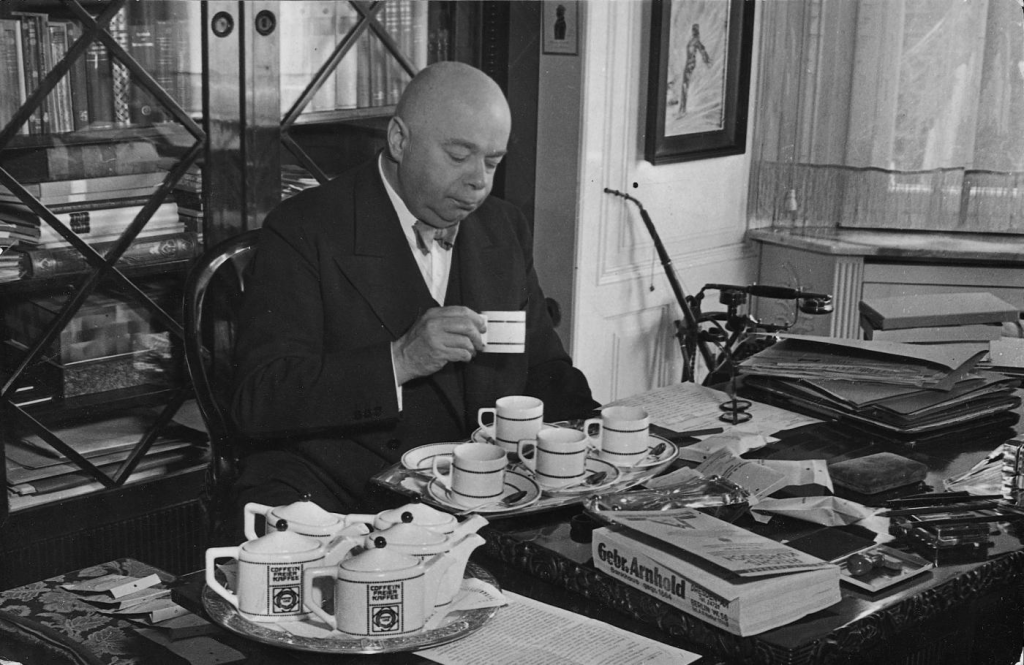
Decaf coffee’s story starts in early 20th-century Germany. Ludwig Roselius, a coffee merchant whose father allegedly died from overconsumption of caffeine, discovered that beans soaked in seawater lost their caffeine content without entirely losing flavour. Motivated by personal loss and entrepreneurial instinct, he developed the first commercial decaffeination process in 1906 and launched it under the brand Kaffee Hag.
Soon after, “Sanka” became a household name, particularly in American diners. Orange-handled pots came to symbolise decaf everywhere — a quiet signal that your brew wouldn’t keep you up at night.
What began as a health precaution would eventually evolve into a full category of coffee, with its own loyal following and growing sophistication.
Why Decaf Is Growing — Fast
There are five clear forces pushing decaf into the mainstream:
1. Health and Wellness Culture
As global consumers grow more conscious of what they consume, caffeine is increasingly scrutinised. From anxiety to poor sleep, high caffeine intake is being called out more often — especially among millennials and Gen Z.
2. Aging Populations
Older consumers are shifting their routines to accommodate lower-stimulation diets. Decaf lets them hold onto comfort without compromising health.
3. Lifestyle Balance
People no longer want to quit coffee. They want options. Decaf allows for a balanced lifestyle — a cup with dinner, a café meetup after work — without sacrificing sleep or sanity.
4. Improved Flavour
Thanks to innovations like the Swiss Water and CO₂ processes, today’s decaf doesn’t carry the dull, flat notes of its past. Specialty roasters now treat decaf beans with the same reverence they give single-origin varietals.
5. Better Branding
Decaf is shedding its reputation as a “compromise” drink. Premium packaging, flavour-focused descriptions, and better retail placement are changing perception — from afterthought to intentional choice.
How Decaf Is Made: The Science Behind the Sip
The decaffeination process is intricate. Each method has pros and limitations, but the goal remains the same: extract caffeine without stripping away the taste.
• Solvent-Based Methods
Using ethyl acetate or methylene chloride, caffeine is dissolved out of green coffee beans before roasting. When done correctly, this retains much of the bean’s flavour integrity.
• Swiss Water Process
This chemical-free method uses pure water and osmosis to gradually remove caffeine. It’s more expensive but highly regarded in the specialty coffee community for preserving origin character.
• Carbon Dioxide (CO₂) Process
A highly precise method where caffeine is removed using pressurised CO₂. This approach is favoured for its ability to retain more nuanced flavours and for being relatively eco-friendly.
Each method must reduce caffeine to less than 0.3% (by EU regulation) to qualify as “decaf.”
The Indian Market: Emerging, Evolving, Expanding
India, known globally for its tea heritage, is rapidly embracing coffee — and within that shift, decaf is gaining serious momentum.
Recent projections show that India’s decaf segment is expected to grow at over 11% annually from 2025, reaching 16.34% by 2029. This growth is attributed to:
- Urban health-conscious consumers
- Rising demand for non-alcoholic evening beverages
- Younger café-going culture that values choice and moderation
- Premiumisation of café menus in metros
Brands like Tata Global Beverages, Starbucks, Nestlé, and boutique roasters like Naivo are leading the charge — offering high-quality decaf in ready-to-drink, ground, and whole-bean formats. Still, challenges like pricing and rural penetration remain.
What This Means for Café Owners and Hospitality Brands
If you’re in the business of serving beverages, it’s time to treat decaf with the same thought and care as your signature espresso.
Here’s how to get it right:
- Offer at least one single-origin or specialty decaf on your menu. Avoid defaulting to commercial instant blends.
- Train your team to explain how your decaf is processed and why it matters — especially if you’re using Swiss Water or CO₂ methods.
- Create decaf-based beverage rituals: evening-friendly brews, post-dinner pairings, or mindful menus designed for focus, not stimulation.
- Consider bundling decaf offerings with wellness or sleep-support products — think calming tea, dark chocolate, or plant-based snacks.
Closing Thoughts
Decaf coffee isn’t just a category. It’s a reflection of the way consumers want to live today — more mindfully, more selectively, and more consciously.
And that’s where opportunity lies. Not in selling a new product, but in offering a new kind of presence. One that respects the rhythm of the body, the nuance of taste, and the intelligence of your audience.
💬 If this opened your mind to where decaf could take your brand, I’d love to hear your thoughts.
→ Explore high-quality café solutions at www.theteaplanet.com
→ Read more thought leadership at www.teatraveltales.com



 Tea Travel Tales
Leave a comment