
It started with silk.
Not flavour. Not temperature. Not even ritual.
Just silk pouches — hand-tied and sent out by a tea merchant in New York to give his customers a more “premium-feeling sample.” And with that, history was steeped in a quiet accident.
That merchant’s name? Thomas Sullivan.
The product? The humble teabag — a tiny innovation that would quietly shift the entire tea economy.
What makes this story so powerful isn’t just how teabags were invented. It’s why they endured. And what that tells us about the deep human need for simplicity, ritual, and trust — especially in times of change.
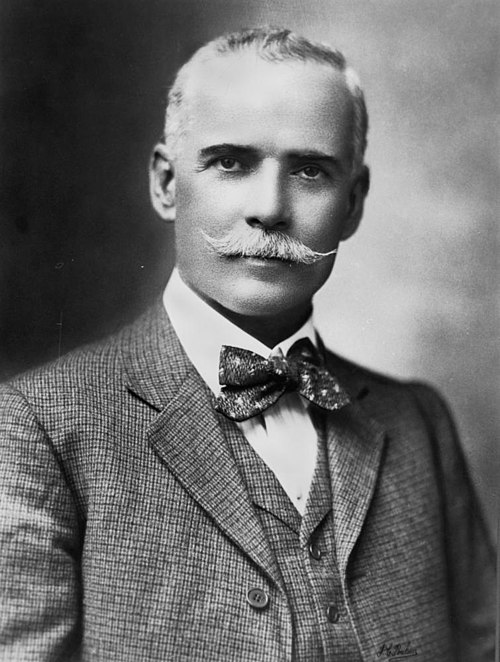
The Accidental Invention That Changed Global Tea Culture
In the early 1900s, Sullivan was shipping loose leaf tea to clients. But instead of packaging it in tins or jars, he used small silk pouches to reduce cost. The intention was clear: remove, open, and brew like usual.
But customers didn’t follow the script.
They dropped the pouch, string and all, straight into hot water. And it worked. Better than anyone imagined.
That moment — that tiny act of consumer improvisation — became one of the most successful beverage innovations of all time.
No marketing team. No focus group. Just one intuitive moment that made tea easier to enjoy, anywhere.
What Teabags Really Represent
Let’s pause and think. Why did this take off?
It wasn’t about laziness. It was about access.
Teabags allowed people to bring tea into offices, warzones, train compartments, hospitals, and homes that didn’t own strainers or kettles. It brought tea closer to life — and in doing so, changed what tea represented.
Suddenly, tea wasn’t just for pause and presence.
It was for pace. For people in motion. For the everyday.
It met people where they were.
And that’s the lesson here for any modern café or FMCG brand.
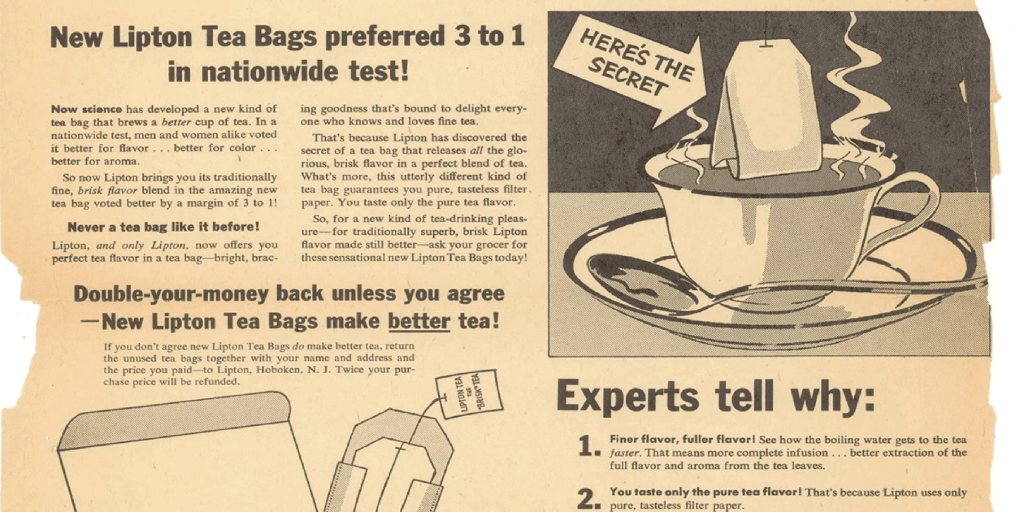
How One Small Change Rewrote the Supply Chain
The rise of the teabag didn’t just change how people brewed tea — it changed how tea was processed.
- Leaves were now cut finer to steep faster.
- Dust and fannings — once considered waste — became commercial gold.
- Paper blends replaced silk, making production cheaper and scalable.
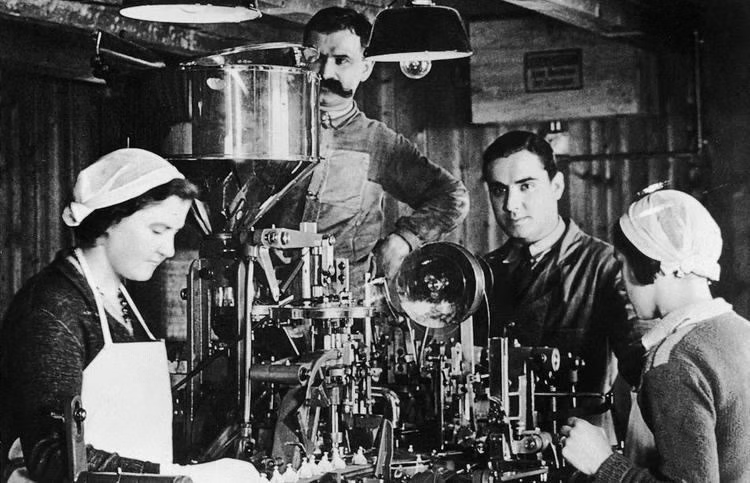
- Machine-packing systems emerged to serve global demand.
Entire industries reorganised themselves around a convenience-first model. And while purists lamented the loss of whole leaf teas, millions of new consumers found their way to tea because of this very shift.
That tension — between craft and convenience — still defines our industry today.
Why This Still Matters for Your Brand
If you’re in the beverage space, here’s what the story of the teabag reveals:
- Small shifts, done with empathy, scale faster than big campaigns.
- Consumer behaviour is your blueprint — not your obstacle.
- Innovation doesn’t always need to start with strategy. Sometimes, it starts with listening.
Thomas Sullivan didn’t set out to change the world.
He just wanted to ship tea more elegantly.
But the world told him what it needed — and he paid attention.
That’s how the most resilient brands are built.
What We Carry Forward at The Tea Planet
We don’t manufacture “just tea.” We engineer experience.
Our café partners today are asking: how can we serve faster without losing soul?
How can we simplify brewing without reducing the emotional power of tea?
This is exactly where we’re innovating — from high-quality pyramid tea bags to custom café packs designed for both speed and ritual. Because people want both.
At The Tea Planet, we believe the future of tea is not either/or. It’s both/and:
Efficiency + Emotion.
Heritage + Hustle.
Craft + Convenience.
And it all began with a silk pouch and a moment of curiosity.
Final Pour
What if your next big idea isn’t something new — but something you’ve already done, just not fully noticed?
What if your consumers are already teaching you what they need — in the way they adapt, skip, combine, or improvise?
Are you watching?
Or are you still waiting for a “brilliant idea” while the real innovation is already brewing?
💬 If this gave you a new way to think about small innovations with big impact, I’d love to hear what you’re brewing.
→ Explore café solutions designed for modern needs at www.theteaplanet.com
→ Subscribe to my blog to read more stories like this on my blog at www.teatraveltales.com



 Tea Travel Tales
Leave a comment