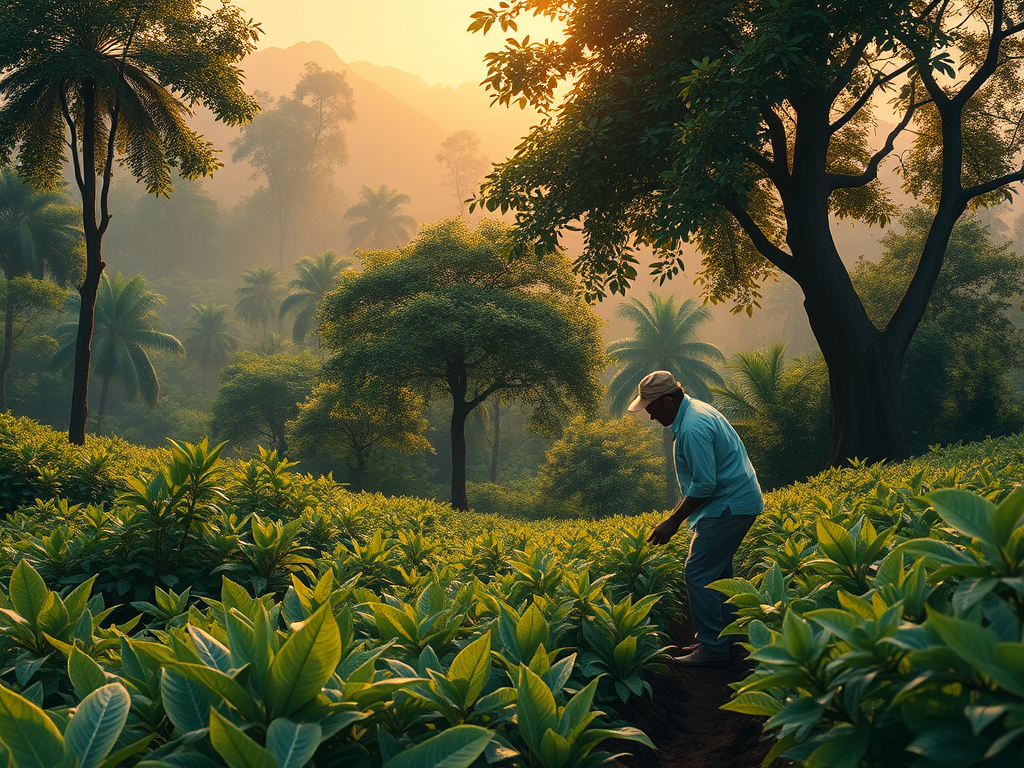
Before the plantations and profits, there was something far more powerful — practice, patience, and a way of seeing the soil.
The next time you sip your morning coffee, ask yourself:
Who taught the land to listen first?
Because long before colonial powers shipped coffee beans across oceans, long before industrial plantations stamped out estates in Coorg and Ceylon, South India, particularly Tamil lands, had already laid down the real blueprint: how to cultivate life, with rhythm, not rush.
We rarely talk about it.
But the truth is, modern coffee cultivation owes its heartbeat to ancient Tamil agricultural practices.
And if we forget this, we miss the real taste behind the brew.
🌿 Tamil Nadu: Where Farming Was Always a Form of Meditation
The Tamil landscape wasn’t just farmed.
It was understood.
Centuries before coffee was introduced via Yemen and Ethiopia, Tamil agrarians had already mastered:
- Soil replenishment cycles using leaf mulch and forest cover
- Monsoon-timed sowing rituals tied to lunar calendars
- Natural shade management using indigenous trees like Poongam and Neem
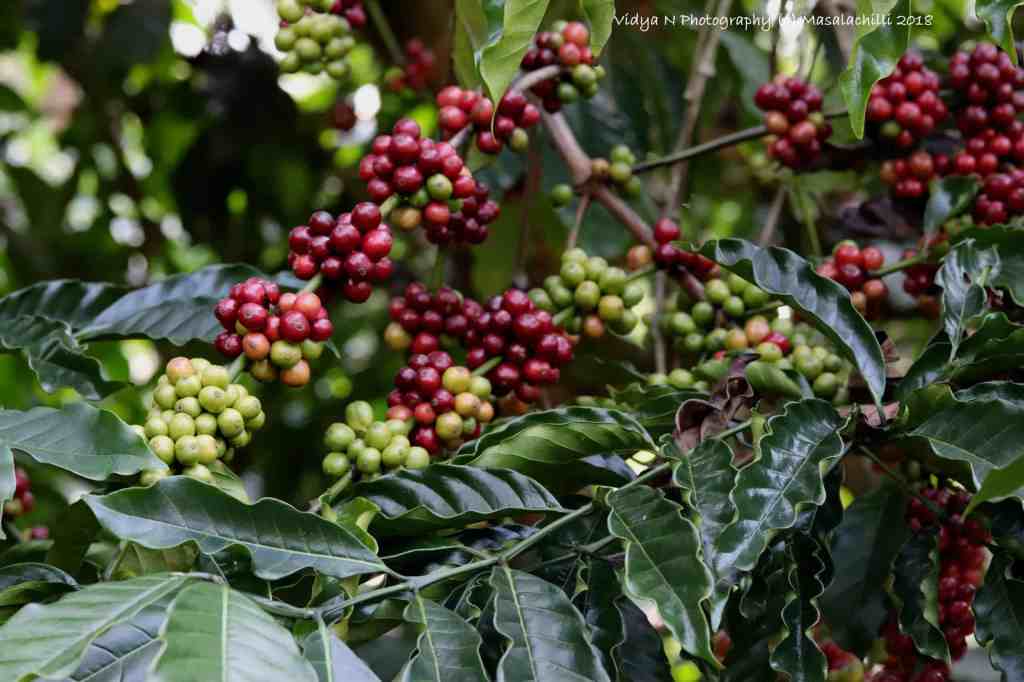
- Biodiverse intercropping, balancing coffee plants alongside pepper, cardamom, jackfruit, and even banana groves
They weren’t “environmentalists.”
They were listeners.
This wasn’t farming for output. It was farming for permanence.
🌱 Coffee Didn’t Civilise the Land. The Land Civilised Coffee.
When the British first introduced Arabica coffee seeds into Tamil Nadu’s Western Ghats and Shevaroy Hills in the 17th and 18th centuries, they encountered something unusual:
The soil didn’t need chemical tilling.
The shade was already natural.
The rhythm of harvests aligned with monsoon breathing patterns.
It was as if the land had been waiting.
Because Tamil farmers had long internalised the language of terrain and tension, of when to disturb the earth and when to let it heal itself.
This innate understanding became the silent backbone of early coffee success in India, even though history books often fail to say it out loud.
🧠 What Ancient Tamil Practices Teach Modern Beverage Brands
Here’s what most founders and strategists today don’t realise:
Speed is not sophistication. Soil memory is.
Tamil agricultural wisdom offers timeless lessons for those building beverage brands now:
- Sustainability is not a marketing deck. It’s how you grow without stealing from tomorrow.
- Flavour is born underground. Healthier soil → healthier root systems → richer bean profiles.
- True luxury is patience. The longer a plant listens to the land, the more profound its flavour becomes.
At The Tea Planet, we honour this invisible lineage, because every beverage we craft must carry not just good taste, but good ancestry.
🌍 A Quiet Global Echo
Interestingly, what ancient Tamil farmers knew intuitively is now being re-discovered by global specialty coffee movements:
- Shade-grown coffee practices in Costa Rica and Ethiopia? Mirrors of South Indian methods.
- Agroforestry blends in Colombia? A rebranding of old Tamil techniques.
- Biodynamic farming? Simply another name for treating the land like a living, breathing collaborator.
What the West frames as innovation was, for Tamil agrarians, simply respect.

🔥 Why This History Matters Now — Urgently
As coffee brands race to claim “sustainability” labels, “farm-to-cup” traceability, and “ethical sourcing” badges, the danger is clear:
They’re mistaking documentation for devotion.
The future of beverage branding won’t belong to the fastest processors or the loudest marketers.
It will belong to those who understand:
- Where the land has already whispered solutions.
- Where waiting is wiser than winning.
- Where patience is profitability.
And in that future, ancient Tamil wisdom isn’t just relevant — it’s revolutionary.
🍃 A Closing Reflection Over Your Next Brew
So the next time you sip coffee, whether it’s a single-origin pour-over or a rustic filter kaapi, pause.
Know that beneath the caffeine and the crema, beneath the tasting notes of chocolate and citrus, there’s a deeper layer:
The prayers of farmers who knew how to listen.
The patience of a land that gave without needing to be conquered.
The invisible intelligence that still shapes every real, living brew.
At The Tea Planet, we carry that lineage forward — quietly, fiercely, gratefully.
Will your brand?
If this made you taste your morning brew a little differently, I’d love to hear from you.
To explore more, visit www.theteaplanet.com



 Tea Travel Tales
Leave a comment