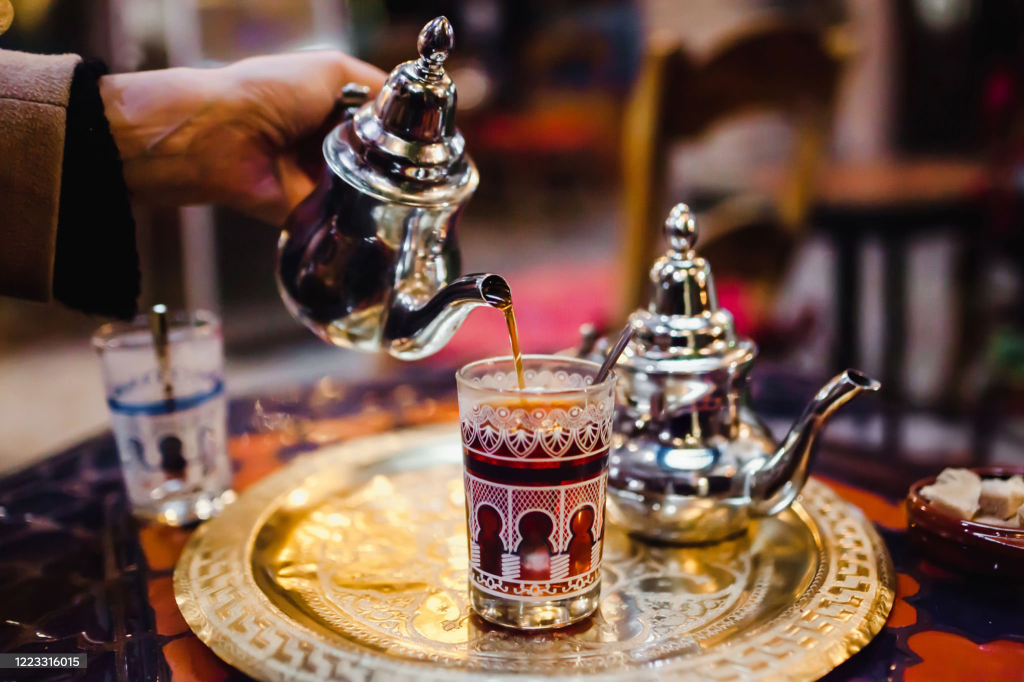
A Forgotten Story of Influence That Modern Beverage Leaders Should Know
Centuries before tea became the world’s second-most consumed beverage, Persian caravans navigated treacherous routes across mountains and deserts, carrying leaves that would soon become more precious than silk. Picture this: a merchant in a bustling Persian bazaar, inhaling the aroma of exotic leaves from distant lands. In that instant, more than a trade occurred, a quiet, powerful cultural exchange began. Tea wasn’t just cargo; it was conversation.
Today, as someone who builds or shapes beverage brands, you might wonder: Why does an ancient tea trade matter now? The answer lies in understanding the profound, quiet power of tea as not only a commodity, but a cultural bridge.
Here’s why the early tea trade with Persia is still teaching us lessons about cultural connection, product innovation, and the subtle art of influence.
Tea Meets Persia: Beyond Transactions
In the early 9th century, Persia was not simply trading tea, it was defining rituals around it. Unlike today’s transactional mindset of simply “getting a caffeine hit,” early Persian merchants and scholars welcomed tea with a different purpose. Tea ceremonies emerged as intimate social spaces where poetry, philosophy, politics, and spirituality converged seamlessly.
Think about this as a modern café owner or brand strategist—are you creating products, or are you curating conversations?

The Caravan Effect: Culture Travels Faster Than Commodities
Persia’s geographical position between East and West gave it unparalleled influence. Tea came into Persia from China along the Silk Road, and from there, found its way westward toward Turkey, the Mediterranean, and ultimately, Europe. Persia was not just a passive trader—it was an active curator. It introduced subtle enhancements to tea drinking, including the use of spices, herbs, and sweeteners like rose petals, cardamom, saffron, and sugar cubes, deeply influencing modern beverage innovation.
Why does this matter for you today? Because your job as an innovator or entrepreneur is not merely to sell what already exists—it’s to transform it in ways that create deeper meaning for your customers.
Tea as Diplomacy: Bridging Worlds, Quietly
Persia’s tea trade was a lesson in subtle diplomacy. Tea became an ambassador—of taste, peace, and culture. Tea gatherings in Persia offered quiet yet impactful moments of cultural exchange, building bridges between diverse people who spoke different languages and worshipped differently. Persian tea rituals taught us a crucial lesson: The strongest messages are often delivered softly.
Today’s businesses often chase loud marketing campaigns, overlooking quiet opportunities to build loyalty and intimacy. But tea trading teaches us another way: quiet influence often echoes far longer than loud claims.

Lessons for the Modern Beverage Innovator
If you’re a hospitality entrepreneur, FMCG buyer, brand strategist, or beverage innovator, consider this:
- Cultural Authenticity:
Persian tea culture thrived because it honoured authenticity. The beverage retained its essence yet welcomed local innovation. Modern products must similarly retain authenticity even while adapting to changing consumer tastes. - Storytelling Beyond Transactions:
Tea wasn’t just traded—it was narrated. Each merchant carried a story. Consider: Are you selling products, or sharing histories? - Creating Meaningful Rituals:
Products like tea succeeded because they became rituals, woven into daily lives. What rituals are you creating around your products to elevate them beyond mere commodities?
The Quiet Future of Beverage Brands
In our globalised economy, where everything is available instantly, we’ve forgotten something critical, the emotional, cultural resonance of slow exchange.
When tea first reached Persia, it didn’t just add to commercial wealth; it deepened spiritual and cultural wealth. It became a reflection of human values, patience, hospitality, and generosity. And perhaps, as modern creators, we can rediscover that spirit: not to rush, but to reflect.
The future of the beverage industry is not louder, but deeper. Not faster, but wiser.
Your Role in Cultural Exchange
Today, your café, your brand, your menu is a modern caravan. It carries stories, conversations, and rituals, not just products.
Ask yourself: Are you simply moving commodities, or are you consciously curating experiences? Do your products carry meaning, or merely caffeine? And if every cup you sell could quietly shape the future, what messages would you embed?
A Quiet Invitation to Reflect
Next time you brew tea, remember the ancient caravans. Remember that trade was never just about the economy; it was about empathy. The Persians understood something profound: commerce without culture is empty, but culture embedded in commerce can quietly transform societies.
How are you embedding culture into your products, your brands, your businesses today?
Because ultimately, every exchange is cultural. Every cup is a conversation waiting to happen.
If this made you think differently, I’d love to hear from you.
To explore more, visit www.theteaplanet.com



 Tea Travel Tales
Leave a comment